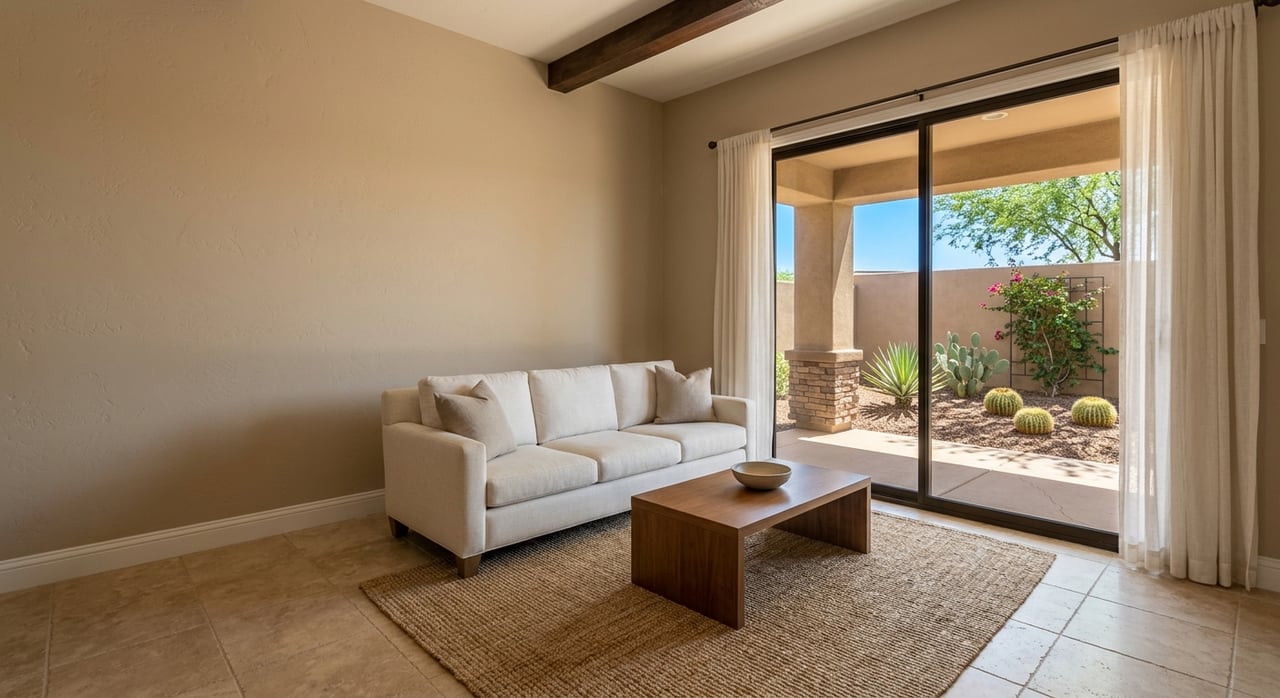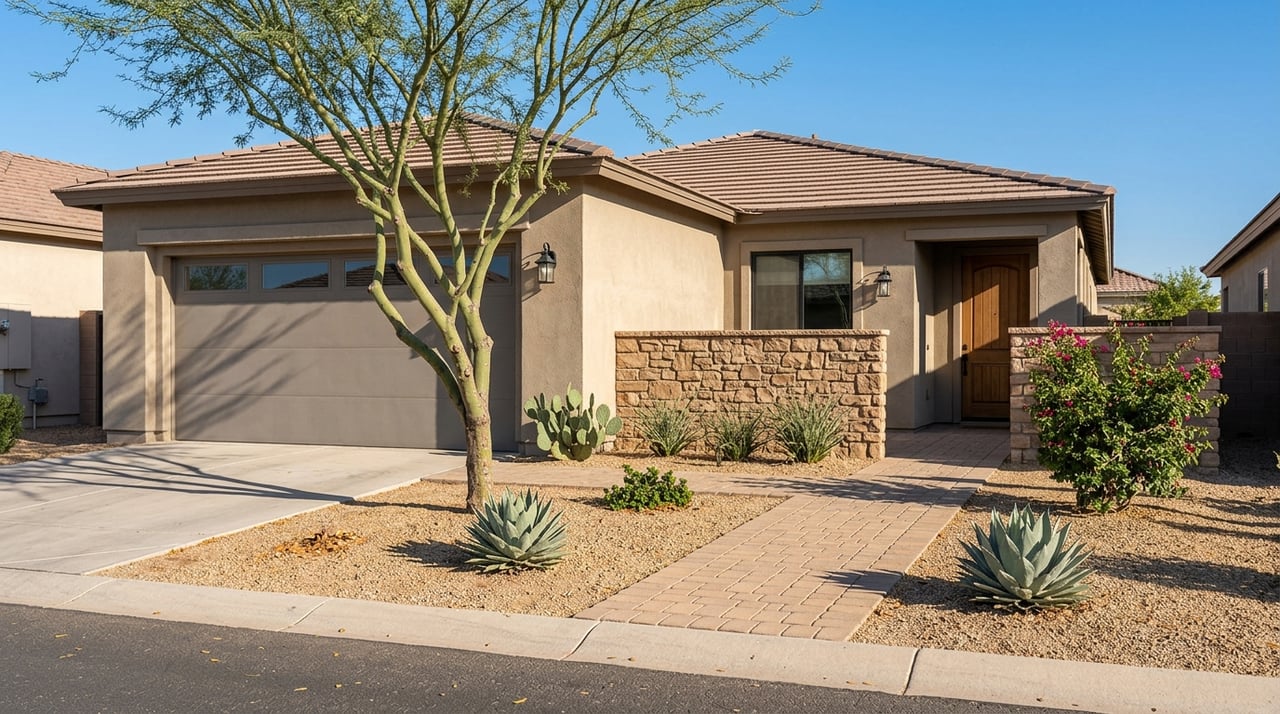
Relocating to Chandler and trying to choose between a brand-new home and a resale? That decision can shape your budget, timeline, and day-to-day lifestyle more than many families expect. If you are moving on a deadline, balancing school logistics, and trying to make a smart long-term purchase, it helps to know how Chandler’s housing options really differ. Here’s what you should know before you decide.
Chandler inventory starts with land scarcity
Chandler is a mature city, not a wide-open growth market. According to the city, Chandler is about 94% built out, with only 832 acres of vacant land remaining, and much of that land is planned for non-residential uses. That means new construction is often concentrated in select growth areas, infill locations, and mixed-use redevelopment rather than large new tracts across the city.
For you as a relocating buyer, that matters because the home search can feel very different depending on which path you choose. New construction may be limited to specific pockets, while resale homes can give you a broader spread of neighborhoods, lot patterns, and move-in timing. In a city like Chandler, availability is part of the decision.
Price differences are significant
One of the clearest differences is price. City data for 2024 showed a median new single-family home price of $803,304, compared with a median resale single-family price of $565,000. For attached homes, the median new price was $520,000 versus $375,000 for resale condos and townhomes.
That price gap can affect more than your monthly payment. It can influence how much flexibility you have for moving costs, updates, furnishings, and future plans. If you are relocating with a fixed budget, the premium for new construction may narrow your options quickly.
New construction in Chandler: what you may gain
New construction often appeals to buyers who want newer systems, a more polished design package, and a warranty structure. If you like the idea of moving into a home without immediately planning repairs or upgrades, a new build can feel simpler on the surface. Many buyers also appreciate the consistency of newer infrastructure and more formal design controls in planned communities.
That said, Chandler’s own planning documents show that lot size and neighborhood feel are not one-size-fits-all. Some newer developments include variation in lot sizes, and city policies also protect large-lot character in certain established areas. You should compare each community on its own terms rather than assume new always means smaller.
Resale homes: what you may gain
Resale homes can offer a more established neighborhood setting and, in some cases, a different lot pattern or yard layout than newer developments. In Chandler, older neighborhoods in the central city and north of Loop 202 are long established, and some are targeted for revitalization and stabilization. That can mean a more mature built environment and a wider range of housing styles.
For relocating families, resale also often means more geographic choice. Because much of Chandler is already built, the resale market may give you access to areas where new construction is limited or unavailable. If commute patterns, access to parks, or a specific address range matter to you, resale may open more doors.
Contract timelines work differently
A new construction purchase is usually more of a milestone-based process than a standard immediate-occupancy sale. In Arizona, the Public Report must be delivered before the purchase contract is signed. That report covers items such as drainage and flooding, adjacent land uses, utilities, recreation facilities, completion of improvements, local services, taxes and assessments, and property owners association details.
For a relocating family, this means a new-home purchase may involve more front-end document review and a longer runway before move-in. The process can feel organized, but it is not always quick or flexible. You should expect the timeline and terms to be driven heavily by the contract.
With a resale home, the process is often more straightforward if the property is already completed and occupied. You can evaluate the actual home, the actual lot, and the immediate surroundings in real time. For buyers moving on a tight work or school schedule, that can be a major advantage.
Inspections matter in both, but for different reasons
Some buyers assume a new home means fewer risks and an older home means more problems. In reality, both options require careful due diligence.
For new construction, Arizona guidance says buyers should verify square footage before committing and review the builder carefully. The Arizona Registrar of Contractors notes that workmanship complaints for licensed contractors are generally tied to a two-year window from close of escrow or actual occupancy. Buyers should also understand whether a separate construction warranty has been provided.
For resale, the inspection list is often broader. Arizona guidance recommends a professional home inspection, a termite inspection, checking appliances and irrigation, and a roof inspection when the roof is 10 years old or older. Chandler’s planning documents also note that some older housing may have been built to outdated codes or with materials and techniques no longer considered safe or sustainable, so it is wise to pay close attention to additions, permits, and deferred maintenance.
HOA rules can affect either choice
If you are moving from out of state, HOA restrictions can be easy to underestimate. In new subdivisions, HOA details are included in the Public Report, which gives you a structured way to review them early. In planned resale communities, Arizona law requires an association resale disclosure packet, and rental-time restrictions may appear in the declaration.
This matters if you care about landscaping changes, exterior improvements, parking rules, or future flexibility. Even if you are focused on finding the right floor plan, the community rules can shape how you actually live in the home. It is worth reading those documents with the same care you give the property itself.
Lot size and neighborhood feel vary by community
In Chandler, lot size is not a simple new-versus-old issue. The city’s planning language shows support for protecting low-density residential character in some large-lot neighborhoods, while also encouraging variation in lot sizes in newer development areas. That means you cannot rely on broad assumptions.
Instead, compare properties community by community. One resale neighborhood may offer a very different street pattern and yard layout from another, and one new-home area may feel more compact or more varied depending on the plan. If outdoor space, privacy, or neighborhood rhythm matter to your family, this is where local guidance can save you time.
School planning should be address-specific
For many relocating families, school planning is one of the biggest factors in the new-versus-resale choice. In Chandler, school assignment is tied to the specific property address, not simply the city name or subdivision name. Chandler Unified School District says home schools are assigned by street address, and open enrollment depends on capacity and does not include transportation.
The Maricopa County Assessor’s Office also notes that school district boundaries often do not align with city boundaries. Two homes in Chandler that look similar on paper may be assigned differently. Arizona guidance even recommends contacting the district serving the subdivision to confirm whether nearby schools are accepting new students.
This is why relocation planning should stay focused on the exact property. A new community may look appealing because it feels current, and an established neighborhood may feel familiar or convenient, but neither tells you the full school picture until you verify the address.
A simple way to choose between new and resale
If you are deciding between the two, start with your real priorities instead of the label. New construction may fit you better if you value newer systems, a warranty structure, and a more formal design package, and you are comfortable with a contract-driven purchase process and a higher price point. Resale may fit better if you want a completed property, a more established setting, and a wider range of locations, while accepting more inspection and repair homework.
A practical relocation checklist can help:
- Set your true all-in budget before touring homes
- Decide how flexible your move-in timeline really is
- Review HOA documents early
- Verify school assignment by exact address
- Plan for inspections based on property type and age
- Compare lot size and neighborhood feel community by community
- Look at the contract process, not just the model home or photos
Why this choice feels especially important in Chandler
Because Chandler is largely built out, this is not just a style preference. It is often a choice between paying a premium for newer product in limited locations or choosing from broader resale inventory with more condition review. Neither option is automatically better.
The best fit depends on how you balance budget, timeline, neighborhood context, and peace of mind. If you are relocating from another city, having a clear framework can help you avoid chasing the newest option or dismissing older homes too quickly. Often, the right answer comes from matching the property to your family’s daily life, not from choosing a category.
If you want help comparing Chandler communities, narrowing your search, or evaluating whether new construction or resale fits your move, Charlotte Chang can guide you with a calm, relocation-focused approach.
FAQs
What is the price difference between new construction and resale in Chandler?
- In 2024, Chandler reported a median new single-family home price of $803,304 and a median resale single-family home price of $565,000.
Are new homes easier to buy than resale homes in Chandler?
- Not always. New construction often involves a more contract-driven, milestone-based process, while resale can be more straightforward if you need a completed home quickly.
Do resale homes in Chandler always have larger lots?
- No. Chandler’s planning documents show that lot sizes vary by community, and both newer and older areas can differ significantly.
Do I still need inspections on a new construction home in Arizona?
- Yes. Arizona guidance says buyers should verify square footage before committing and carefully review builder and warranty information.
How do I check school assignment for a Chandler home?
- School assignment should be verified by exact property address through the district, because district boundaries and city boundaries do not always match.
Are HOA rules different for new construction and resale in Chandler?
- HOA documents apply in both cases, but the disclosure process differs. New subdivisions include HOA details in the Public Report, while resale properties in associations provide a resale disclosure packet.