Trying to decide between a new build and a resale in Litchfield Park? You are not alone. This small West Valley city blends a relaxed, resort-influenced feel with established neighborhoods and limited space for brand-new communities. You want the right home, the right timing, and the right value. In this guide, you will compare timelines, warranties, lots, HOAs, incentives, total ownership costs, finishes, and move-in speed so you can make a confident choice. Let’s dive in.
Litchfield Park snapshot
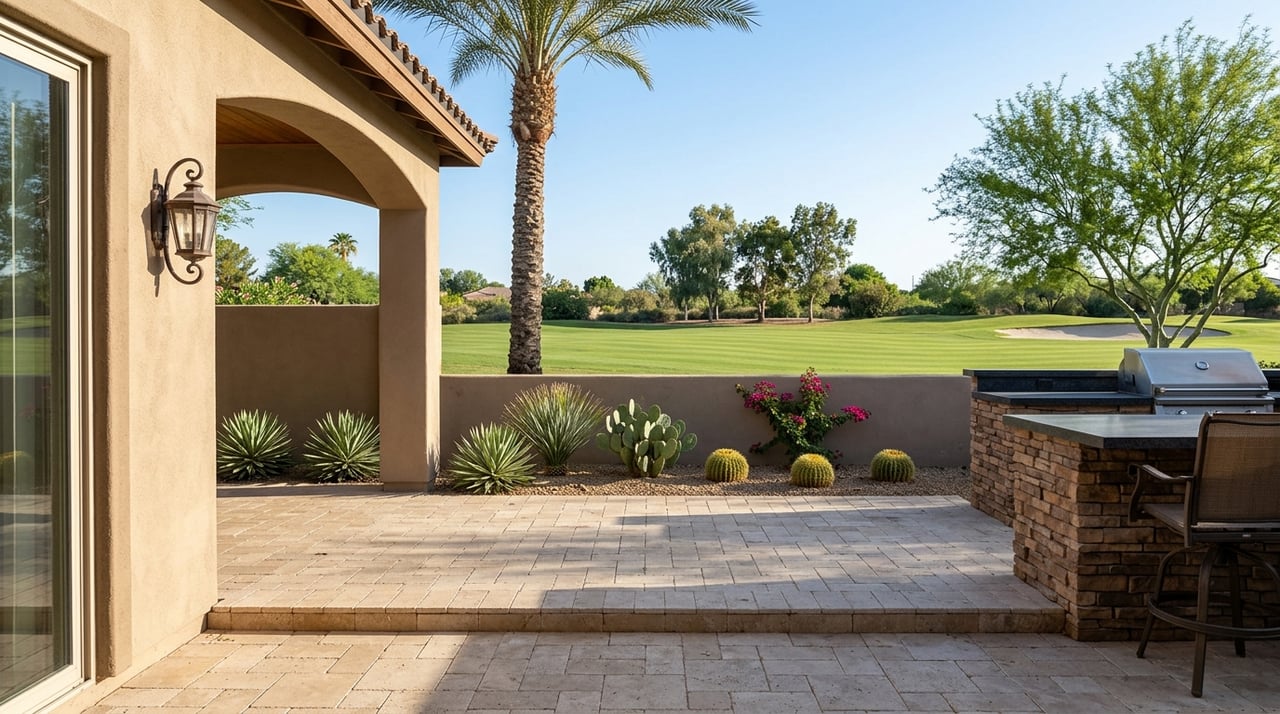
Litchfield Park offers a small-town feel, golf and resort proximity near the Wigwam, and mature neighborhoods. Inside city limits, there are fewer open tracts for large new subdivisions, which can shape your choices and timelines. Many new-home options cluster in nearby cities where master-planned developments are active.
Market numbers change quickly. Inventory, median sale price, and days on market can shift month to month. If you are comparing properties today, plan to verify current data before you write an offer. Your best approach is to focus on the trade-offs that matter most for your move.
New build vs. resale at a glance
- New build highlights: design control, modern systems, builder warranties, energy-efficient standards, quick-move-in inventory in some communities.
- Resale highlights: established neighborhoods and lot sizes, mature landscaping, faster closings, visible HOA history, and existing upgrades included in the price.
- Bottom line: match your timeline, budget, and lifestyle to the right path. Look past base price to total out-the-door cost.
Timelines and move-in speed
New builds
- Quick-move-in and spec homes can often close in about 30 to 90 days.
- Build-to-order homes typically take several months. Many Phoenix metro builds run roughly 4 to 12 months depending on permits, lot conditions, plan complexity, weather peaks, and supply chain shifts.
- In phased master plans, infrastructure and entitlements can add time before vertical construction starts.
Resales
- Standard closings often take 30 to 45 days with financing, faster with cash and a willing seller.
- If you are selling a home at the same time, consider contingencies, bridge financing, or flexible possession to keep your timeline smooth.
Warranties and peace of mind
New builds
- Typical structures include a 1-year limited warranty for workmanship and materials, a 2-year warranty for major systems like HVAC, plumbing, and electrical, and a 10-year structural warranty. Coverage varies by builder and program.
- Plan an 11-month walkthrough to document and address items while covered. Read the warranty booklet closely so you understand claims, timelines, and exclusions.
Resales
- There is no builder warranty unless a transferable plan was purchased by a prior owner. Your best protection is a thorough inspection, targeted specialty checks, and negotiated repairs or credits.
Lots, orientation, and site conditions
New communities
- Lot sizes vary. Expect different price points for interior lots, cul-de-sacs, or perimeter and golf-view locations. Lot premiums and grading costs can add to the base price.
- Ask about soil, drainage, and any site work that might affect landscape and hardscape budgets.
Resales
- Many established neighborhoods in Litchfield Park offer larger lots and mature landscaping that you may not find in newer tracts. If you want a private yard or space for projects, this can be a major advantage.
- Check plat maps, parcel details, and HOA setbacks so your future plans align with rules and property lines.
HOA rules, fees, and amenities
New communities
- HOAs often fund pools, parks, and trails. Fees can start at one level and rise as the community matures and amenities come online.
- Developers typically control the HOA early on. Ask about the turnover timeline, budget assumptions, and any developer-reserved rights.
Resales
- Existing HOAs have a track record. You can review CC&Rs, budgets, reserve studies, and meeting minutes to understand fees, enforcement, and potential assessments.
- Compare rules that affect daily life, like architectural approvals, rental caps, or vehicle and parking policies.
Incentives and negotiation leverage
Builders
- Builders tend to hold firm on base price but frequently offer structured incentives. These can include design-center credits, upgraded appliances, closing cost help, lot premium adjustments, or rate buydowns through preferred lenders.
- Incentives are often time-limited. Compare net value after incentives and upgrades instead of focusing on base price.
Resales
- You negotiate based on comps, condition, days on market, and seller motivation. You can pursue price reductions, credits, or repairs during inspection. Sellers generally do not offer upgrade packages, so factor in your own renovation plans.
Finishes, customization, and upgrade cost
New builds
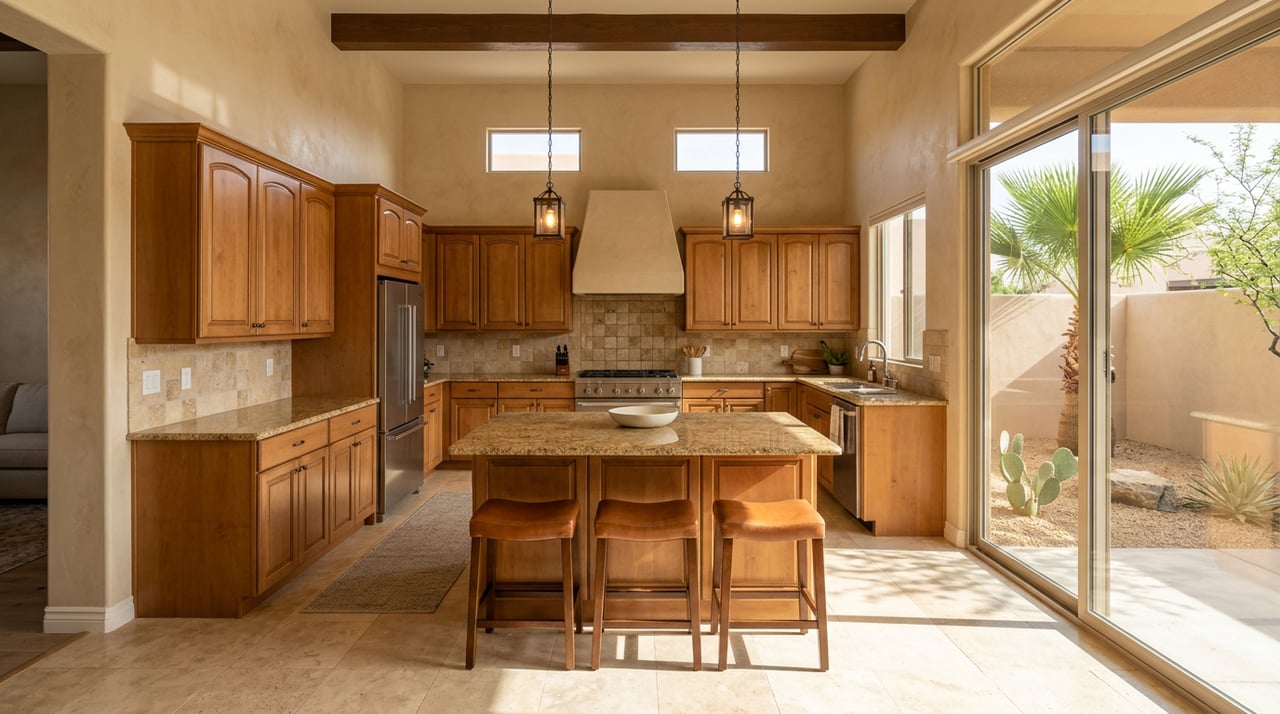
- You can choose finishes and plan options, but many desirable upgrades are not included in the base price. Design-center choices for flooring, cabinets, counters, outdoor living, and built-ins can move the final number.
- Confirm what is standard, from appliances to window coverings and landscape, so you avoid surprises.
Resales
- You inherit existing upgrades and can budget for cosmetic refreshes or systems work. For many buyers, a targeted remodel after closing can deliver the finish level they want at a competitive cost.
Total cost of ownership
- New builds may include lot premiums, site prep, landscaping, fencing, and initial HOA capital contributions. Maintenance tends to be lighter in the early years, and energy standards can lower utilities.
- Resales may have fewer upfront fees and no lot premium, but you should plan for near-term maintenance on older roofs, HVAC, and appliances.
- For both, model 3 to 5 years of ownership. Include mortgage, property taxes, insurance, HOA dues, utilities, maintenance, and any special assessments.
Resale value and appreciation
- New construction appeals to buyers who want modern layouts and efficient systems, but there can be a new-home premium that softens as a community fills in or the market shifts.
- Resales offer established comps and landscaping that many buyers value. Dated floor plans may require renovation to meet current expectations.
- In Litchfield Park, homes near golf and resort areas or on larger lots often hold value well relative to typical suburban inventory. Confirm with local comparable sales when you price or purchase.
Financing and timing for move-up buyers
New builds
- Quick-move-in homes often use standard conforming loans. Homes under construction may involve builder-facilitated financing or construction-to-permanent options.
- Longer build timelines can complicate rate locks. Discuss rate strategies, buydowns, and lock periods before you sign.
- Appraisals may not fully capture every upgrade at design centers. Be prepared for appraisal gaps if the contract price includes extensive options.
Resales
- Conventional underwriting and appraisals follow a predictable path. If you are selling to buy, explore bridge loans, rent-backs, or sale contingencies to sync both transactions.
Inspections, disclosures, and walk-throughs
New builds
- Schedule pre-drywall and final inspections if allowed by the builder, and confirm access rules in advance.
- Complete a detailed final walkthrough and plan the 11-month warranty inspection to catch items while covered.
Resales
- Order a general home inspection and add specialty checks as needed, such as roof, pest, HVAC, or sewer scope.
- Review required Arizona disclosures and use your inspection period to negotiate repairs or credits.
Title, assessments, and special taxes
- Ask about special taxing districts, recorded assessments, and any master-plan infrastructure charges that can affect your payments.
- Verify easements, setbacks, and covenants that impact future plans, such as pools, accessory structures, or RV parking.
HOA and CC&R due diligence steps
- Request CC&Rs, rules, budgets, reserve studies, recent minutes, and insurance coverage.
- Confirm whether a developer or homeowner board is currently in control and when turnover is expected.
- Look for fee trends and any pending special assessments.
A practical comparison checklist
Use this list when you compare a specific new-build community to a resale home:
- Price and comps: current list price, recent comparable sales, and tax history.
- Monthly carrying cost: mortgage estimate, property tax, insurance, HOA dues, utilities, and expected maintenance.
- Location fit: commute routes, parks, shopping, and current school assignment boundaries.
- New build specifics: base price vs. upgrade pricing, lot premium, what is included in appliances and landscaping, warranty structure and claims process, build timeline and delay contingencies, and current incentives with expiration dates.
- Builder reputation: local build quality feedback and resale performance of recent communities.
- Permit and utility status: where the home is in the permit process and expected utility hookups.
- Resale specifics: inspection findings, age and service records for roof, HVAC, plumbing, and electrical, HOA or city projects that may affect the property, and realistic remodeling cost estimates.
Which path fits your goals
- Choose a new build if you value customization, prefer new systems under warranty, and can accept a longer build window or a quick-move-in option that meets your timeline.
- Choose a resale if you want larger lots, mature landscaping, established neighborhoods, and the option to close faster and negotiate repairs or credits.
- If you need speed but want “new,” consider a quick-move-in spec home. If you love a specific resale but need design updates, budget a targeted remodel after closing.
Ready to compare real homes side by side, including true net costs and timelines? Reach out to Charlotte Chang for a calm, data-informed plan. You will get bilingual guidance, design and renovation insight, and a clear path from offer to keys.
FAQs
How long to move in for new builds vs resales in Litchfield Park
- New build quick-move-in can be about 30 to 90 days, build-to-order often 4 to 12 months, and resales typically close in 30 to 45 days depending on financing and terms.
What warranties do Arizona new homes usually include
- Many builders offer a 1-year workmanship warranty, 2-year systems coverage, and a 10-year structural warranty, with specifics and claims processes defined in the contract.
How do builder incentives compare with resale negotiations
- Builders often provide structured incentives like design credits or rate buydowns, while resale negotiations focus on price, credits, and repairs based on comps and condition.
What are common add-on costs for a new build in Litchfield Park
- Expect potential lot premiums, site prep, landscaping, fencing, window coverings, and initial HOA capital contributions in addition to upgrades and closing costs.
Will a new builder-community home appreciate like an established neighborhood
- It depends on the market; new homes can carry a premium that normalizes over time, while established areas offer clearer comps and mature landscaping that many buyers value.
How can I time the sale of my current home if I build new
- Consider bridge loans, rent-backs, or sale contingencies so you can secure the new home without risking a gap between closings.
What HOA red flags should I watch for as a buyer
- Review CC&Rs, budgets, reserve studies, and minutes for rising fees, enforcement issues, pending special assessments, or unclear developer-to-owner board turnover timelines.